


Rosacea is a chronic skin condition that affects millions of adults, yet it is frequently misunderstood, misidentified, and undertreated. For patients in Reno, NV, and the surrounding Northern Nevada region, understanding the four distinct types of rosacea is an important first step toward finding an appropriate treatment path. Rosacea presents differently from person to person, and the subtype involved largely determines which clinical interventions may be most beneficial. JanigaMDs can provide clear, medically grounded information for anyone researching their symptoms or exploring treatment options. If you have questions about whether your skin concerns may be related to rosacea, contact our office to schedule a consultation.
The National Rosacea Society recognizes four primary subtypes of rosacea. While some patients present with features of only one subtype, others may experience overlapping characteristics. Accurate identification by a qualified provider is essential before any treatment plan is developed.
This subtype is characterized by persistent facial redness, flushing, and visible blood vessels. Patients with ETR often describe a burning or stinging sensation, and the skin may appear rough or feel sensitive to topical products. Triggers such as sun exposure, temperature changes, spicy foods, and alcohol consumption may worsen symptoms. The dry climate and high elevation of the Reno area can be particularly aggravating for patients with this subtype. Laser-based treatments, including IPL photofacial therapy for pigmentation and redness, may help reduce the appearance of visible vessels and diffuse redness.
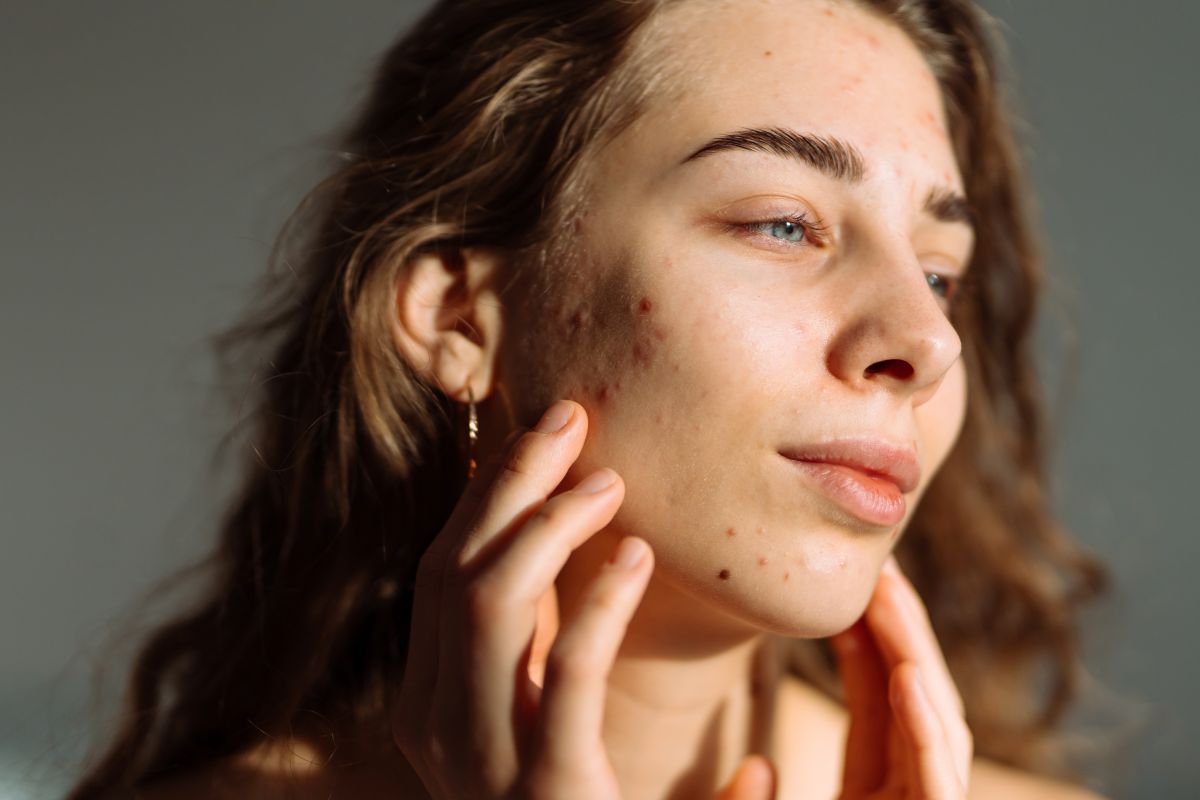
Papulopustular rosacea involves chronic redness accompanied by acne-like breakouts, including papules and pustules. This subtype is sometimes confused with acne vulgaris, but the two conditions have different underlying mechanisms and require different approaches. Papulopustular rosacea does not typically produce blackheads or whiteheads. Prescription topical and oral medications are often part of the treatment protocol, and certain in-office procedures may be recommended as adjunctive options depending on the severity of the presentation.
Phymatous rosacea is less common and is associated with skin thickening, irregular surface texture, and enlargement of affected areas, most notably the nose. This form is referred to as rhinophyma when it involves nasal tissue. It occurs more frequently in men. Treatment for phymatous rosacea may involve laser resurfacing or surgical interventions, depending on the degree of tissue involvement. Patients experiencing these changes are encouraged to seek evaluation from a provider with dermatologic expertise.
Ocular rosacea affects the eyes and surrounding tissue, producing symptoms such as redness, dryness, irritation, and a sensation of grittiness or burning. The eyelids may appear swollen or inflamed. Patients with ocular rosacea are typically co-managed with an ophthalmologist in addition to a dermatologic provider. Those considering periorbital procedures, such as eyelid surgery in Reno, should disclose any history of ocular rosacea during their consultation.
There is currently no cure for rosacea, but a range of evidence-based treatments may help manage symptoms, reduce flare frequency, and improve the overall appearance of affected skin. Treatment selection depends on which rosacea subtype or subtypes are present, the severity of symptoms, the patient’s skin type, and their overall health profile.
Prescription medications remain a core component of rosacea management for many patients. Topical agents such as metronidazole, azelaic acid, and ivermectin have demonstrated efficacy in clinical studies for reducing redness and papulopustular lesions. Oral antibiotics, particularly tetracyclines, are sometimes prescribed for moderate to severe inflammatory presentations. A board-certified dermatologist is the appropriate provider to evaluate medication candidacy and monitor treatment response over time.
For patients with vascular-predominant rosacea, laser and light-based devices may be a meaningful part of the treatment plan. These technologies target hemoglobin in visible blood vessels, which may help reduce redness and improve skin tone. Procedures such as laser skin resurfacing in Reno may also be considered for patients with texture irregularities or phymatous changes. Individual results may vary, and a full evaluation is required to determine appropriate candidacy.
Consistent, gentle skincare is a foundational element of rosacea management. Patients are typically advised to use fragrance-free, non-comedogenic products, apply broad-spectrum sunscreen daily, and avoid known personal triggers. Sun protection is particularly important in Northern Nevada, where UV exposure at altitude can be more intense. Professional facials and peels in Reno formulated for sensitive or reactive skin may complement in-office treatment, though product and procedure selection should always be guided by a qualified provider.
Rosacea management benefits from a clinical environment where both dermatologic and surgical expertise are available under one roof. JanigaMDs is the only practice in Northern Nevada with both a board-certified dermatologist and a board-certified plastic surgeon on staff. This dual-specialty structure means patients presenting with rosacea can receive a comprehensive evaluation and a treatment plan that accounts for both the medical and aesthetic dimensions of their condition.
With nearly two decades of practice experience and tens of thousands of patients served in the Reno and Sparks area, our team brings a depth of clinical perspective that is difficult to replicate in a single-specialty setting. Whether your concerns are primarily medical, primarily aesthetic, or both, we encourage you to schedule a consultation so that an appropriate, individualized approach can be developed for your specific presentation.
At this time, there is no known cure for rosacea. However, consistent and appropriately targeted treatment may help reduce the frequency and severity of flare-ups, manage visible symptoms, and improve the long-term appearance of affected skin. Many patients achieve meaningful, sustained improvement with a combination of medical management and in-office procedures.
Subtype identification requires clinical evaluation by a qualified provider, typically a board-certified dermatologist. Symptoms, medical history, skin examination, and in some cases, photography or diagnostic tools are used to characterize the presentation. Self-diagnosis is not recommended, as rosacea symptoms can overlap with other skin conditions.
Laser and light-based therapies are most commonly indicated for erythematotelangiectatic rosacea, where visible vessels and diffuse redness are primary concerns. They may also be considered for phymatous presentations. For papulopustular rosacea, laser therapy is generally used as an adjunct rather than a primary intervention. Ocular rosacea typically requires a different management pathway. Candidacy depends on skin type, subtype, and overall health, and must be determined through a consultation with a qualified provider.
Common triggers include sun exposure, heat, wind, spicy foods, alcohol, stress, and certain skincare products. The climate conditions in the Reno area, including high UV index and temperature variability, may contribute to symptom aggravation. Trigger management typically involves identifying personal triggers through a diary or guided elimination process, modifying habits accordingly, and implementing a provider-recommended skincare regimen. Broad-spectrum sunscreen use is considered essential for most patients with rosacea, regardless of subtype.
If you are in Reno, NV, or the surrounding Northern Nevada area and are seeking an evaluation for rosacea, JanigaMDs offers the clinical expertise of both a board-certified dermatologist and a board-certified plastic surgeon in a single practice. Contact our office to schedule a consultation and develop an individualized approach to your skin concerns. Contact us for details or to request an appointment.
JanigaMDs is the only practice in Northern Nevada offering both plastic surgery procedures and medical spa treatments from board-certified physicians Dr. Timothy and Dr. Jennifer Janiga. Founded in 2010, the team at JanigaMDs has been proven to provide the utmost care for all patients. With a 4.7 rating over almost 700 reviews, JanigaMDs is the premier aesthetic practice in Northern Nevada.

Founded in 2010, the team at JanigaMDs has been proven to provide the utmost care for all patients. With an almost 5 star rating over almost 700 reviews, JanigaMDs is the premier aesthetic practice in Northern Nevada.
Contact Us"*" indicates required fields
 Search