



Understanding facial surgery recovery and what to expect at each stage is one of the most important steps you can take before committing to a procedure. For patients in Reno, NV, having a clear picture of the healing process helps reduce uncertainty and supports better preparation. Whether you are considering a facelift, rhinoplasty, or another facial plastic surgery, recovery unfolds in predictable phases, and knowing what those phases look like allows you to plan with confidence.
Following facial plastic surgery, you will spend time in a monitored recovery area while the anesthesia wears off. Most patients feel groggy, and initial swelling and tightness around the treatment area are normal. Dressings or a compression garment may be in place depending on the procedure.
You will need a trusted family member or friend to drive you home and remain with you for the first 24 hours. Before you leave, you will receive postoperative instructions and any prescribed pain medication to manage initial discomfort.
The first two days represent the early phase of healing, during which swelling peaks and bruising begins to develop. This is expected and is a normal part of your body’s response to surgery. Most patients experience moderate discomfort during this window, which is typically managed with prescribed pain medication provided by your surgeon.
During the first week, swelling and bruising are most visible, though many patients notice gradual improvement day by day. Facelift recovery during this phase often includes some numbness or tightness around the incision site, which is normal as the tissue heals. A follow-up visit is typically scheduled within the first week so Dr. Janiga can assess the incisions, remove any early dressings, and confirm that healing is progressing as expected.
By the second week, many patients start to feel considerably more comfortable. Swelling and bruising gradually subside, and outward signs of surgery become less noticeable. Sutures are often removed around this time, depending on the procedure and your surgeon’s protocol. Most patients find they can return to desk work and light social activities during the second week, though individual recovery varies.
Facelift recovery time at this stage typically allows a return to more normal activities, including light exercise such as walking. Strenuous exercise and heavy lifting remain restricted as your body heals beneath the surface. Most people feel comfortable resuming fuller social and professional schedules by the end of this period.
With each passing week, residual swelling continues to resolve, and the incision site’s appearance continues to improve. Most patients receive clearance to resume strenuous exercise and other more demanding physical activities between weeks four and six, depending on the extent of their procedure. Final results are not yet fully visible at this stage, but significant improvement is typically noticeable.
Final results from facial plastic surgery typically become fully visible between three and six months post-procedure, once all residual swelling has resolved and incisions have matured. For most patients, this phase brings greater confidence as they experience the full outcome of their procedure.
Pain management after facial surgery is typically straightforward. Your surgeon will provide guidance on whether over-the-counter medication or prescription pain medication is appropriate for your situation. Most patients find discomfort manageable and gradually diminishes after the first few days.
Cold compresses applied carefully to the treatment area can help reduce swelling and provide relief, particularly during the first week. Avoid aspirin and non-steroidal anti-inflammatory medications unless specifically approved by your provider, as these may increase the risk of bruising.
Strenuous exercise and heavy lifting should be avoided for at least four to six weeks following most facial surgeries. Most patients return to desk work and light activities within one to two weeks. Driving is typically restricted for as long as prescription pain medication is being used.
Sun exposure should be minimized, and sunscreen applied diligently to healing incisions. Sleeping with your head elevated on two pillows during the first week is a practical strategy many patients find helpful in reducing swelling.
Staying well-hydrated and eating a balanced diet support the healing process after cosmetic surgery. Protein-rich, vitamin- and antioxidant-rich foods contribute to tissue repair. Avoiding alcohol and sodium in the first week can help minimize swelling. No specific dietary plan is required, but consistent hydration and nutrient-dense meals are beneficial.
Your surgeon will provide detailed guidance on cleaning the incision site and any specific wound care that applies to your procedure. Follow your post operative instructions carefully regarding when to resume skincare products near the treatment area. Avoid makeup on or near incisions until your surgeon confirms it is appropriate.
Attending every scheduled follow-up visit is essential to a successful recovery. These appointments allow your surgeon to assess healing progress, address any concerns early, and adjust recommendations as needed. JanigaMDs closely monitors each patient’s recovery, providing continuity of care from the day of your procedure through your final results.
It is completely normal to experience the following during facial plastic surgery recovery:
These are expected aspects of the healing process and should not be a cause for concern.
While complications are uncommon, contact our office promptly if you notice any of the following:
When in doubt, call our office at (775) 364-0224. Our team is here to support your recovery and address any concerns promptly.
The skill and experience of your surgical team directly influence your recovery. A precise technique reduces unnecessary tissue trauma, which in turn supports more comfortable healing, less bruising, and a smoother overall recovery. Provider experience shapes not only the outcome but also how your body heals throughout each phase.
JanigaMDs is the only practice in Northern Nevada with both a board-certified dermatologist and a board-certified plastic surgeon. Dr. Timothy Janiga and Dr. Jennifer Janiga bring more than 40 years of combined experience and have treated tens of thousands of patients across the region.
Dr. Timothy Janiga’s approach to facial surgery is grounded in precision, individualized planning, and thorough aftercare support. Patients in Reno and throughout Northern Nevada benefit from expert care that extends well beyond the operating room, including close monitoring at every follow-up visit and personalized recovery guidance from consultation through final results.
Knowing what to expect from facial surgery recovery and having an experienced team to support you makes the entire process more manageable. At JanigaMDs, Dr. Timothy Janiga and Dr. Jennifer Janiga bring more than 40 years of combined expertise in facial plastic surgery to patients throughout Reno, NV, and Northern Nevada.
From your first consultation through your final follow-up visit, our team provides the guidance and support you need to heal well and achieve results that reflect your goals. Individual results may vary, and your recovery plan will be tailored to your specific procedure and health history. Contact us to schedule a consultation; we are here to answer your questions and help you plan with confidence.
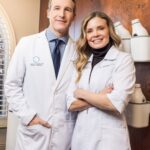
JanigaMDs is the only practice in Northern Nevada offering both plastic surgery procedures and medical spa treatments from board-certified physicians Dr. Timothy and Dr. Jennifer Janiga. Founded in 2010, the team at JanigaMDs has been proven to provide the utmost care for all patients. With a 4.7 rating over almost 700 reviews, JanigaMDs is the premier aesthetic practice in Northern Nevada.

Founded in 2010, the team at JanigaMDs has been proven to provide the utmost care for all patients. With an almost 5 star rating over almost 700 reviews, JanigaMDs is the premier aesthetic practice in Northern Nevada.
Contact Us"*" indicates required fields
 Search